
Sustainability in hospitality often lives in the details. Not the dramatic gestures, but the quieter systems operating behind the scenes—the kind guests rarely see, yet increasingly expect.
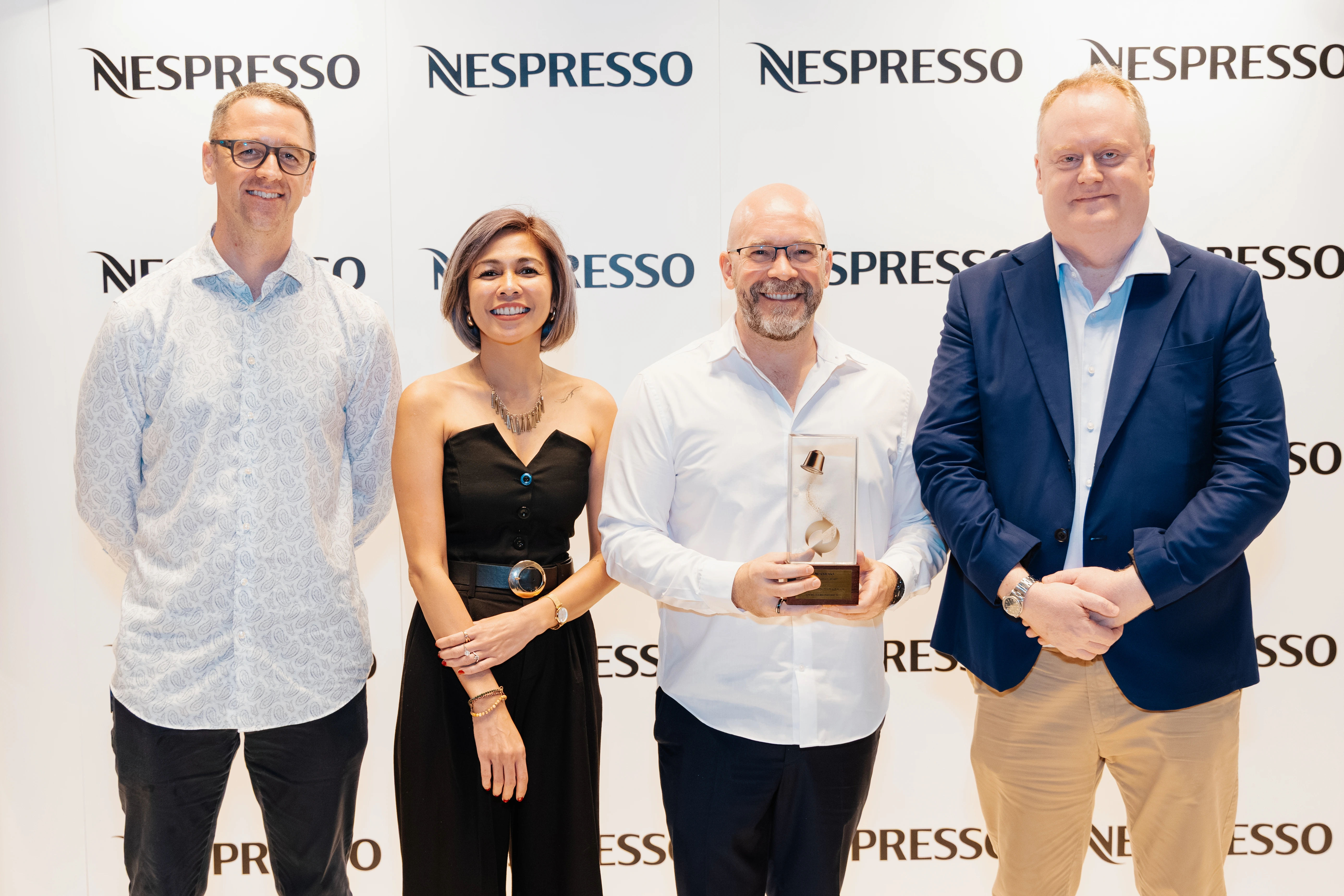
At Sofitel Bali Nusa Dua Beach Resort, one of those systems has now earned international recognition. The resort was recently awarded a Sustainability Award by Nespresso after successfully recycling more than 41,422 used coffee capsules throughout 2025, marking one of the more tangible examples of how Bali’s hospitality industry is beginning to rethink waste.
For an island welcoming millions of visitors each year, the issue is difficult to ignore. According to data from Indonesia’s National Waste Management Information System (SIPSN), Bali generated more than 1.2 million tons of waste in 2024 alone. As sustainability conversations continue to move beyond surface-level commitments, hotels are under increasing pressure to integrate long-term, operational change into the way they function daily.
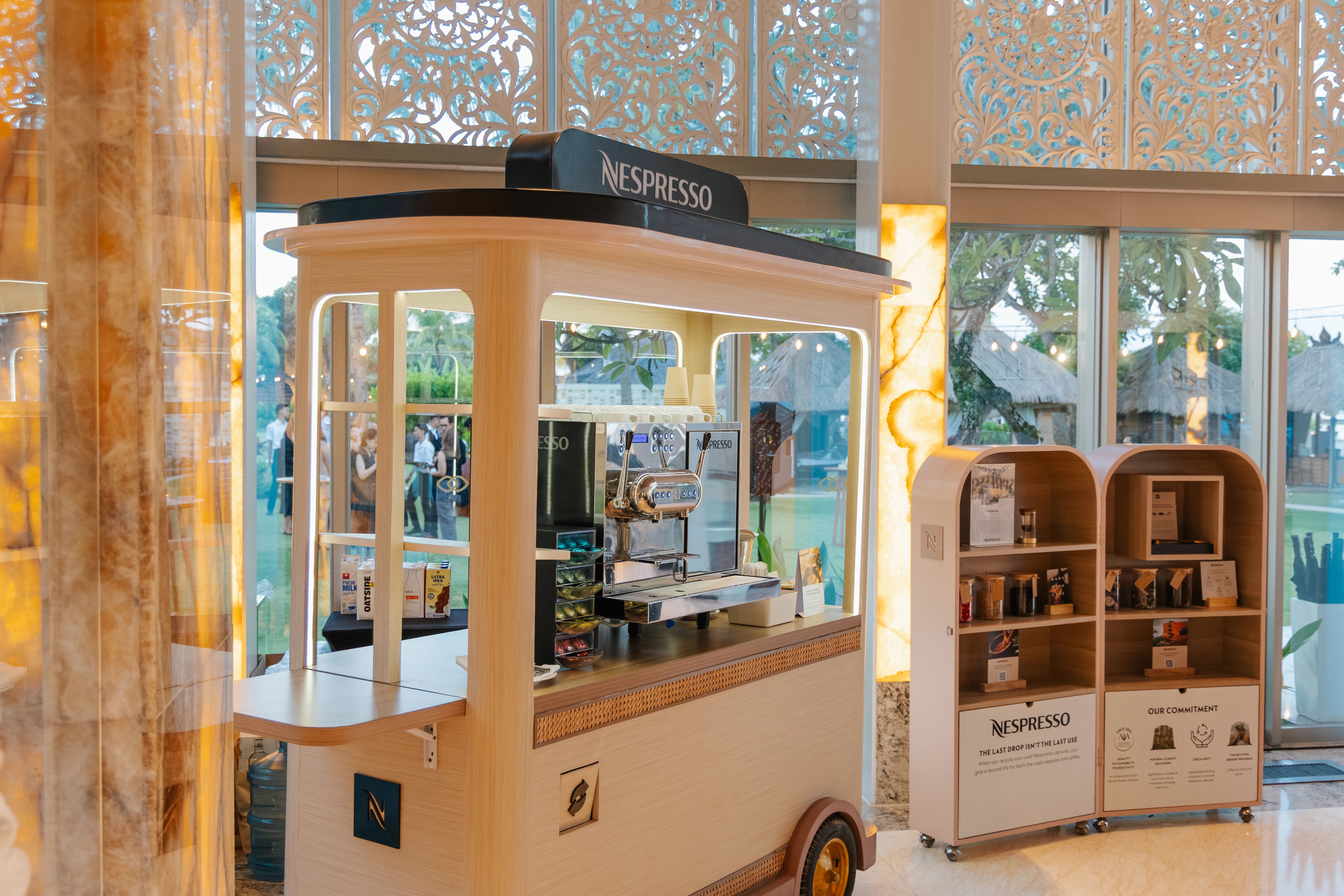
At Sofitel Bali Nusa Dua Beach Resort, that shift has taken shape through Nespresso’s capsule recycling initiative—a circular program designed to ensure used coffee capsules are repurposed rather than discarded.
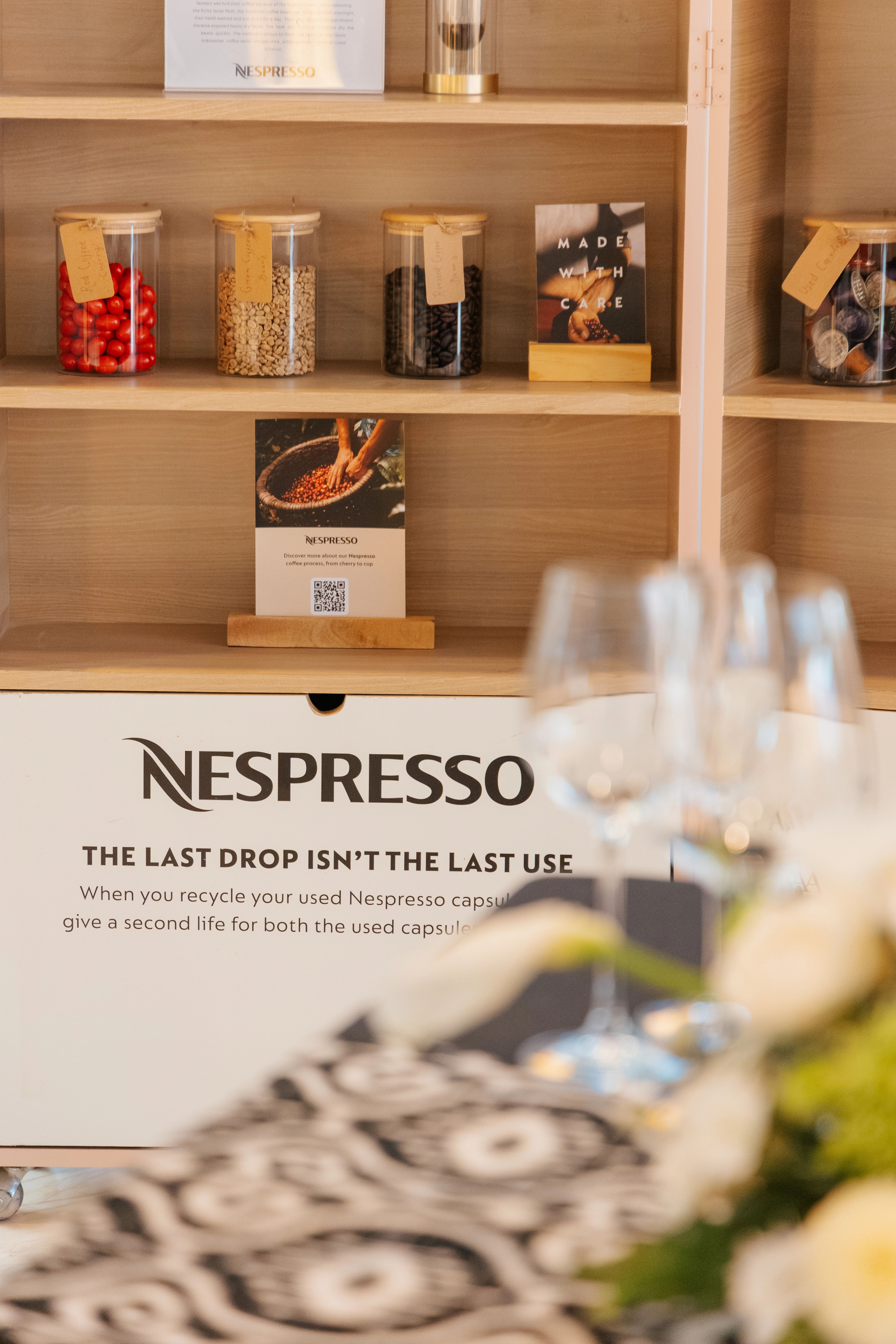
The process itself is deliberately structured. Used capsules collected by hospitality partners are transported back to Nespresso’s recycling facility in Jakarta alongside regular coffee deliveries. From there, the aluminum is separated and transformed into new products, while the coffee grounds are sent to coffee farms in West Java to be reused as compost supporting future crops.

It’s a system built around continuity rather than disposal—one where waste becomes part of another cycle instead of an endpoint.
For the resort, the recognition reflects a broader commitment to integrating sustainability into everyday operations rather than isolating it as a standalone initiative.

“We are honored to receive this recognition from Nespresso,” said Jean-Pierre Joncas. “It reflects our commitment to integrating sustainable practices across the resort. We believe that even simple actions, such as responsibly managing used coffee capsules, can contribute to a more sustainable future for Bali’s tourism industry.”
The collaboration also signals a wider shift happening across Bali’s hospitality landscape, where sustainability is increasingly being approached as infrastructure rather than branding. Hotels are beginning to look beyond guest-facing experiences and toward the operational systems supporting them—waste management, sourcing, recycling, and long-term environmental impact.
In a place like Bali, where tourism and environmental pressure continue to exist side by side, efforts like these may seem small in isolation. But collectively, they point toward something larger: a version of hospitality that understands luxury and responsibility no longer need to exist separately.